
Living at Linden Hearth
Space to settle in, not simply move in.
A residential setting works best when private rooms, shared areas and the rhythm between them all feel easy to understand. This page explains the principles that shape a calmer everyday environment.
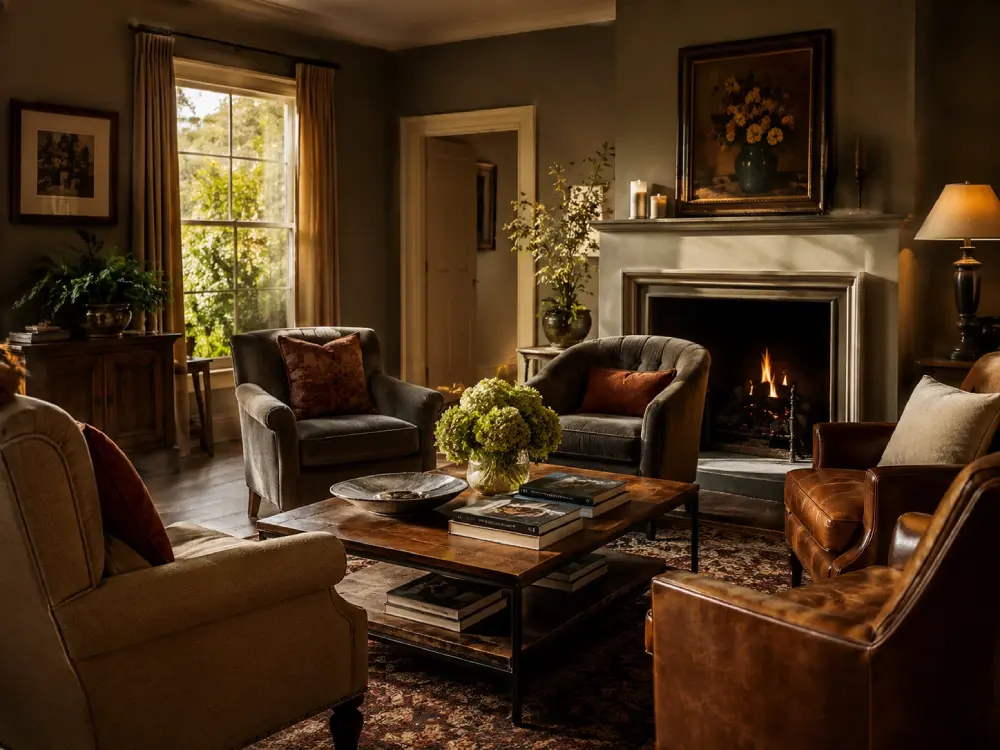
The room
Personal details do more than decorate a space.
A bedroom is often the first place a new resident can make recognisably their own. Familiar photographs, a preferred blanket, books, ornaments or a favourite chair can help provide continuity at a point when many other things are changing.
Practical layout matters too. Frequently used items should be easy to reach, routes should be clear and the room should support the person’s usual way of moving through the day as far as the environment allows.
“The aim is not to recreate the old home exactly. It is to preserve enough familiar cues that the new room begins to feel personally legible.”
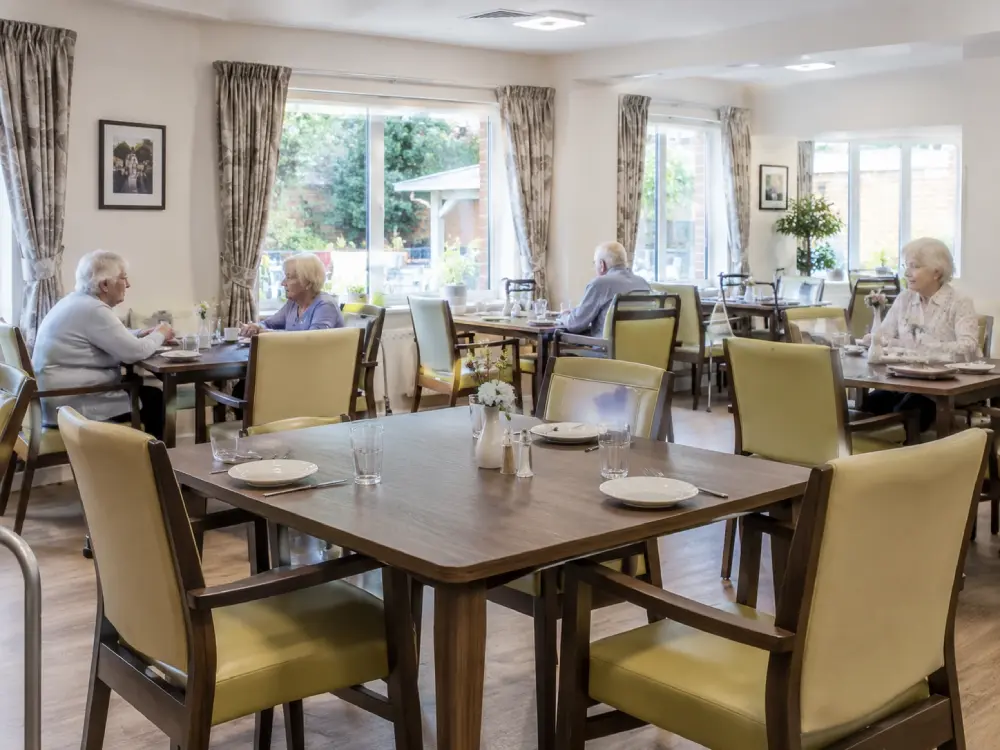
Shared spaces with a purpose
Communal rooms are easier to use when each has a clear role. A dining area, a quiet lounge and a place for visitors can create more choice than one large room expected to support every kind of activity.
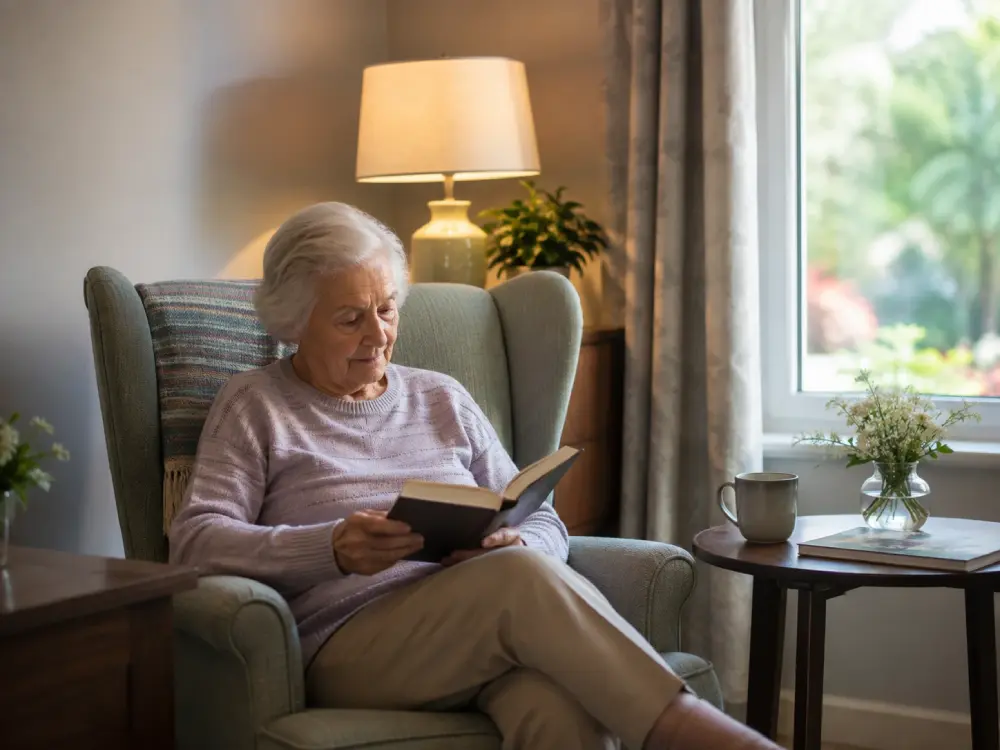
Quiet remains part of the day
Social contact can be valuable without being constant. A well-balanced environment gives residents places to withdraw, read, rest or spend time with visitors away from the busiest parts of the home.
Meals and routine
Familiar landmarks can make a new day easier to read.
Meals often act as natural markers through the day. They create regular moments for conversation and can help separate morning, afternoon and evening without the feeling of a rigid schedule.
Preferences around timing, portion, texture or usual drinks are best understood through conversation. Where a person has specific dietary or clinical requirements, those should be discussed directly rather than inferred from a general website description.
Before a move
Bring the everyday details into the conversation.
When families describe the person rather than only the practical problem, it becomes easier to discuss whether a setting feels appropriate. Sleep patterns, favourite foods, preferred forms of company, sensory preferences and the role of family visits can all be relevant.
Discuss a possible move